

#28 The Body Remembers: Play Therapy and Trauma-Informed Touch

“Therapy is a beautiful tool for anyone, even if you're living your best life, right? It's somebody coming in and giving you a lens outside of your own.”
In this episode of Rarely Familiar, hosts Jen, Tram, and Haley talk about the real-life chaos and beauty of raising kids with rare conditions. They’re joined by experienced clinician Emily Benson, MSW, LICSW, RPT-S, SEP founder of Beginnings and Beyond/Play Therapy Minnesota and High Vibrations Healing , who brings both expert wisdom and serious compassion to the table. Emily—a licensed clinical social worker and somatic experiencing practitioner—breaks down how play therapy, somatic experiencing, and trauma-informed touch can be powerful tools for healing big trauma in little bodies (and their grown-ups, too).
The conversation weaves through Emily’s path into social work, why play therapy can be a game-changer for neurodivergent kids, and how parents can calm their own nervous systems when life feels like a nonstop medical rollercoaster. With plenty of personal stories, honest laughs, and practical tips, this episode tackles medical trauma, child development, and caregiver survival with warmth and humor. As always, the hosts remind us that while this journey can feel isolating, community support—and a little levity—can make all the difference.
Understanding the Magic of Play Therapy
“Some children take more time to warm up to the play, some jump right in. It really depends on what they're experiencing. But our role as play therapists is to really just hold that protective space through our nervous system.”
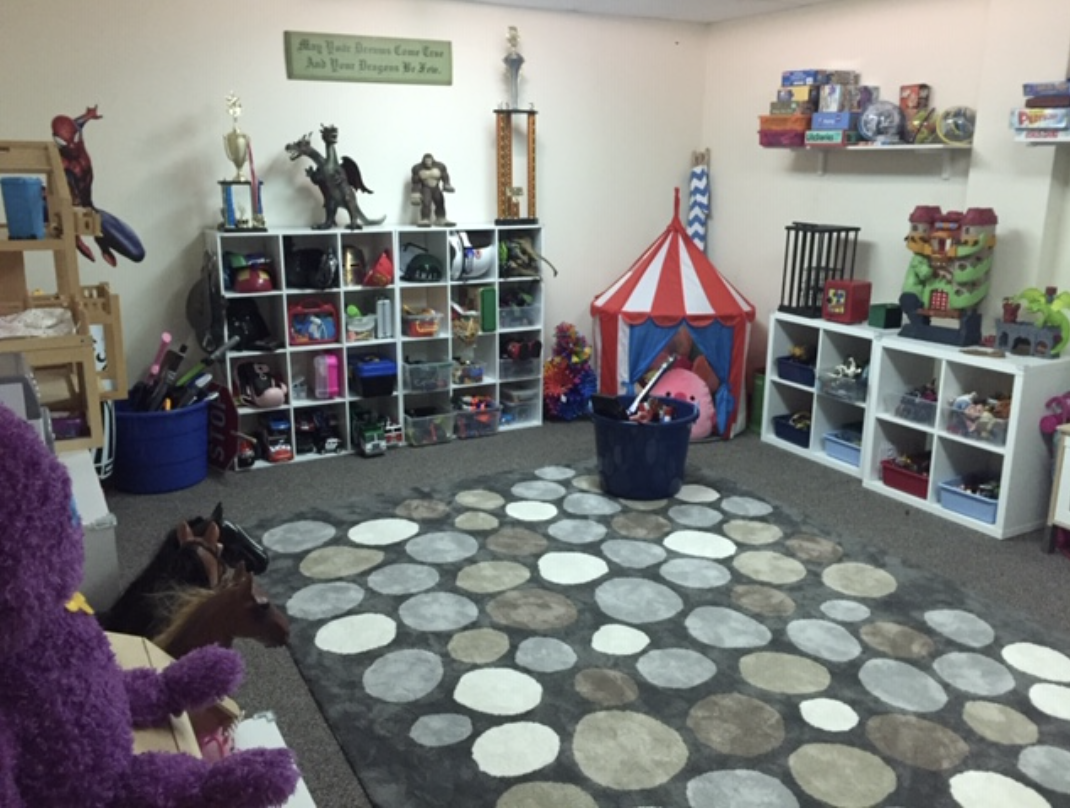
Imagine a child who, after overcoming a difficult medical experience, uses castles, cars, and teddy bears to symbolically convey their fears and triumphs. Play therapy is an incredible therapeutic tool where children use PLAY to express their experiences and emotions. Emily explains that it’s a process where kids lead the way, and therapists observe and follow. Children may enact scenarios with their toys to communicate what's swirling in their little heads, helping them process trauma in a safe and nurturing environment.
Somatic Touch/Experiencing: The Healing Power of Physical Presence
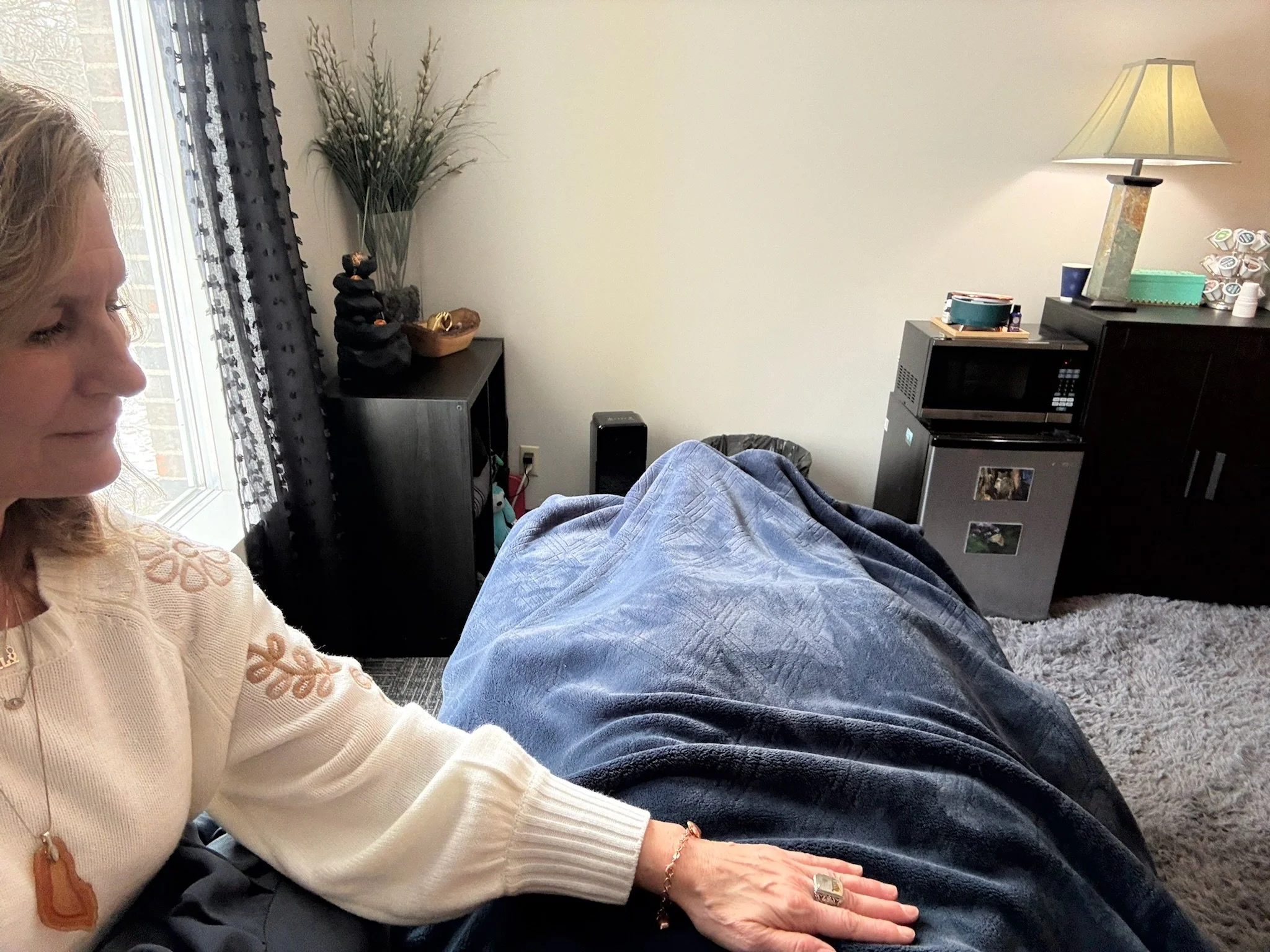
Somatic Touch is a hands-on approach that provides direct support to the nervous system, often used with early or developmental trauma. Through gentle, intentional touch, therapists help the body feel supported and regulated. It is used alongside SE when appropriate, always with consent, and is not massage or physical manipulation.
Somatic Experiencing (SE) explores how the body expresses deeply painful experiences, applying mind-body healing to aid with trauma recovery. This technique focuses on helping clients notice and track bodily sensations. The goal is to gently guide the nervous system out of survival responses—like fight, flight, or freeze—and back into a sense of safety and regulation. Trauma is processed through awareness of physical sensations rather than retelling traumatic events. Touch is not a required part of SE.
Community: Where support takes root
Community is powerful and key to sustaining parents through the unique challenges of raising medically complex children.
For parents navigating exhaustion, stress, and the daily demands of caring for a child with complex needs, seeking support for both yourself and your child can feel overwhelming. Emily emphasizes the importance of community in these moments. Finding others who understand your experience can help ease anxiety and lessen the weight of constant pressure.
Inhale Peace, Exhale Stress
Finally, while we're on this therapy train, don’t overlook some quick self-help techniques: Emily recommends breathing exercises that sound simple but pack a wallop. Breathe in, breathe out, and make your exhale last twice as long as your inhale. It’s like a mini spa day for your nervous system. No trip to the stress-induced fridge meltdown required!
Nervous System Regulation Techniques: how to bring your nervous system back to stability during moments of stress or emergency
Regulation Breathing: Lengthen your exhale to twice the inhale (like blowing out birthday candles) to calm anxiety.
Somatic Self-Hug: Right hand under left armpit, left arm over right shoulder for grounding and containment.
Foot Grounding: Stand and gently roll through the balls, heels, and edges of your feet.
Vagus Nerve Activation: Use cold input—ice water, a cold shower, or gargling—to stimulate regulation.
Sensory Soothing: Soft music or other calming sensory input to support connection and regulation.
Resources & Links