

#24 Ableism Uncovered: Real Stories and Honest Conversations
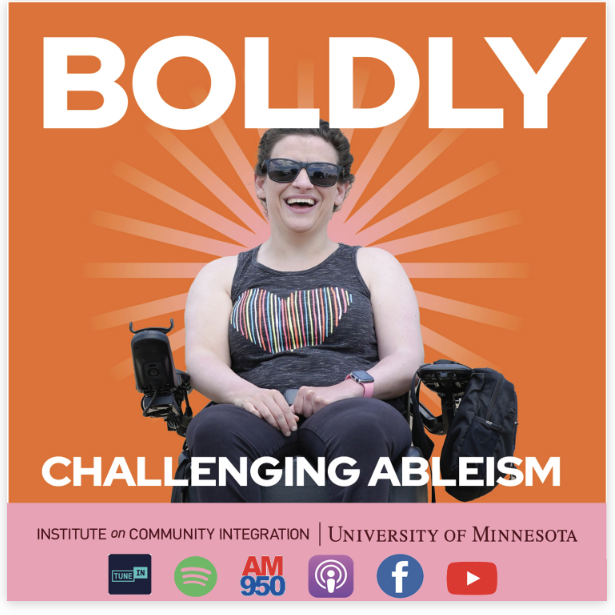
In this episode, Haley, Jen, and Tram sit down with Katrina, a Minnesota LEND fellow, advocate, and host of the podcast Boldly Challenging Ableism. Together, they unpack what ableism really means, how it shows up in everyday life, and what we can all do to create a more inclusive world.
Meet Katrina: A Life of Advocacy and Lived Experience
Born with cerebral palsy, Katrina grew up surrounded by questions — about accessibility, identity, and belonging. Her life changed when she attended Camp Courage (now Camp True Friends), where she met other kids with disabilities for the first time. That experience gave her a sense of pride and belonging that would later fuel her advocacy.
Today, Katrina works to amplify the voices of people with disabilities through her podcast Boldly Challenging Ableism, where she explores how bias and systemic barriers impact everything from education to employment.
Understanding Ableism — and Why It Matters
Katrina defines ableism as “a belief or set of beliefs based on the prejudice of assuming that someone can’t do something — or that they’re worth less — because of a real or perceived disability.”
That means ableism isn’t just about physical barriers. It’s about attitudes, assumptions, and systems that reinforce exclusion — whether it’s assuming someone can’t work or learn in the same classroom, or designing public spaces without accessibility in mind.
Parenting, Perspective, and Everyday Ableism
As moms raising children with disabilities, Haley, Jen, and Tram reflected on how ableism can even creep into their own lives. From strangers calling them “heroes” to people avoiding eye contact or over-helping, they discussed the thin line between kindness and condescension.
Katrina offered a powerful reminder: “Before you’re raising a human with a disability, you’re raising a human.”
That simple truth grounds the entire conversation — it’s about dignity, autonomy, and belonging, not pity or perfection.
Top Tips: Understanding and Challenging Ableism
Whether this is your first time hearing the term or you’re already part of the disability community, here are Katrina’s takeaways to start recognizing and addressing ableism in your daily life:
Learn the Language of Inclusion.
Start by following advocates and disability-led organizations on social media. Exposure builds empathy and helps you understand different perspectives — especially voices from people with lived experience.Ask, Don’t Assume.
Offering help isn’t wrong — but assuming someone needs it can be. The best approach? Ask first. Respect autonomy while staying kind.See People, Not Disabilities.
When we shift our focus from diagnosis to humanity, we open the door to genuine connection. Everyone wants to be seen for who they are, not just what they can or can’t do.Include, Don’t Isolate.
True inclusion means shared spaces — classrooms, workplaces, and communities. Segregation (even with good intentions) often leads to fewer opportunities and less visibility.Focus on Interdependence, Not Just Independence.
Katrina reminds us that success doesn’t always mean doing everything alone. Many of us thrive through interdependence — mutual support that empowers both people involved. It doesn’t need to be one or the other.